
The dream of living off-grid is more than escaping the busy city—it’s about reclaiming independence, enjoying natural beauty, and learning to thrive with the land. At USA Land Group, we spend our days searching for the most promising raw, vacant parcels across America’s 3,142 counties. One thing is clear: Not all remote land is created equal. If you want off-grid living to be rewarding instead of frustrating, evaluating land for water, power, and reliable access isn’t optional—it’s essential.
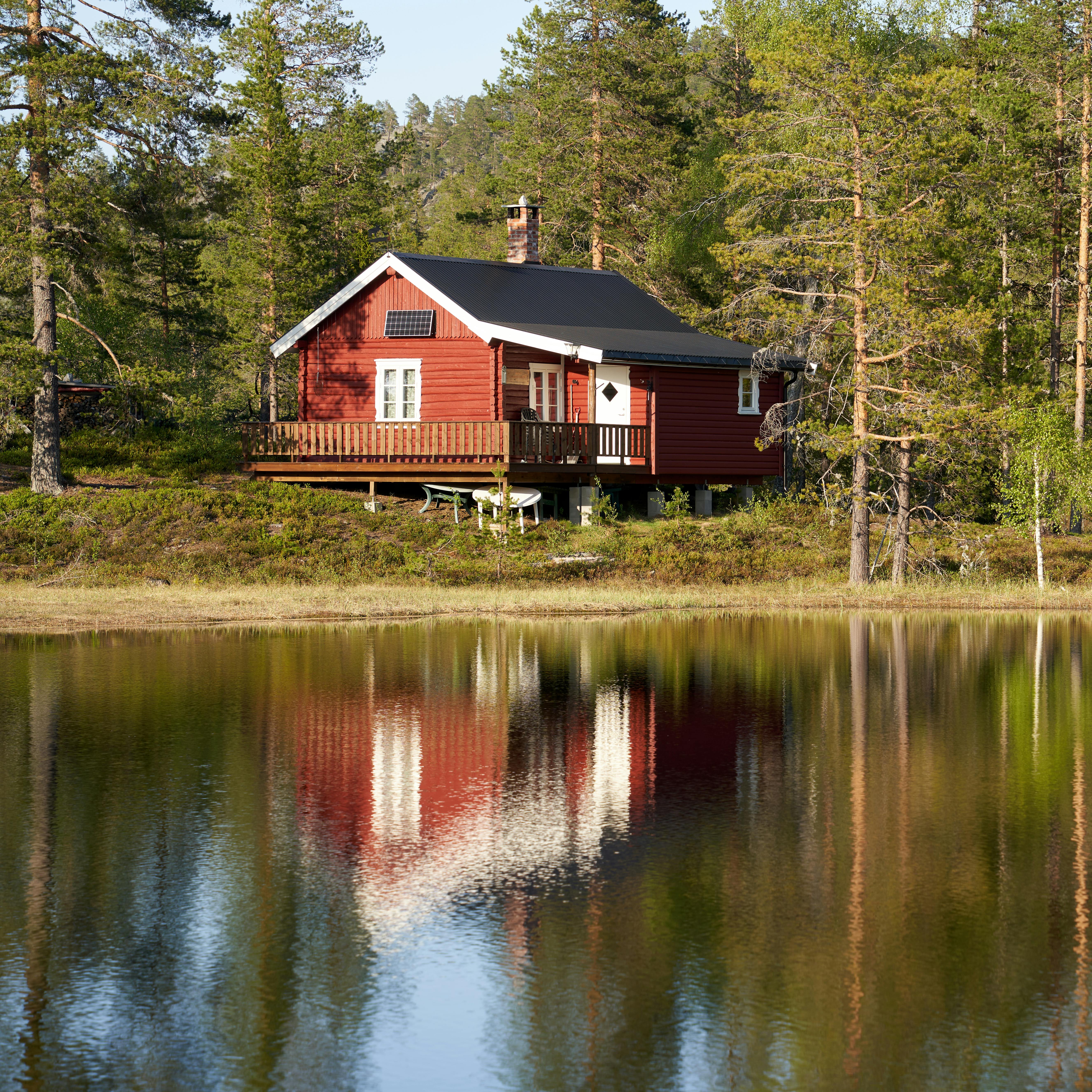
Why Evaluating Remote Land Is Different
Unlike buying improved residential lots or homes, remote land often exists without utilities or established roadways. This creates both the opportunity for true self-sufficiency—and special challenges you should anticipate before investing. At USA Land Group, our reputation relies on understanding the fundamentals that influence a property’s livability and future value. Below, you’ll find our in-depth perspective on what to check, how to check it, and what crucial questions to ask about water, power, and access before you make a decision in any county nationwide.
Evaluating Water Sources: Your #1 Priority
Water is life—plain and simple. For off-grid living, you have to assess both the availability and reliability of water on your target property. Here’s how we approach it:
- Surface Water: Is there a seasonal stream, creek, or pond? These may look promising, but flow can be highly variable. Research local rainfall averages, talk to neighbors, and use topographical maps for watershed data.
- Groundwater (Wells): Many off-grid homesteads rely on wells, but not all locations are drill-worthy. Review geological survey maps, ask county authorities about minimum well depths, and check local well reports (available through county offices or online databases). Finding a neighbor’s working well nearby can be an encouraging sign.
- Rights & Laws: Water law is complex. Ensure the parcel has water rights or clear access to drill for, collect, or divert water. Some states (especially in the West) have strict permitting. Never assume just because water is present, you’re allowed to use it freely.
- Alternative Sources: In arid counties or mountainous regions, rainwater catchment may be your best backup. Calculate your roof area and annual rainfall to predict yield—but always verify if local ordinances allow or restrict this method.

Expert Tips From the Field
- Plan to test any existing wells or springs—don’t simply take the seller’s word alone.
- Ask about water quality: wells can have high mineral or bacteria loads that require filtration or treatment.
- Find out the cost to drill a new well in the area. This varies dramatically by county, geology, and required depth.
Powering Your Homestead: Reliable Off-Grid Energy Solutions
Power needs will define both your comfort and the kinds of activities the land supports—from refrigeration to internet and beyond. Evaluate options for self-sufficiency:
- Solar Power: Most remote land buyers today favor solar. But don’t forget to:
- Assess daily sunlight (use online solar maps).
- Check for tree cover or mountains that may limit exposure.
- Estimate system size based on your projected power needs (lighting, appliances, tools, etc.).
- Wind Power: Less common, but an excellent supplement if your land sees regular winds. Examine state wind resource maps and talk to locals for seasonal wind patterns.
- Generators: Good as backup for critical loads; factor in regular fuel delivery if you’re far from town.
- Grid Extension: Sometimes, power lines are closer than you think. Call the regional utility with your parcel number—get a quote for running power to the site. It can range from a few thousand to tens of thousands depending on distance and terrain.

Pro Insight
- Hybrid systems (solar + wind, with battery backup) often offer the best reliability for true off-grid homes.
- Inspect for local hazards: proximity to trees (fire risk for panels), and wind exposure for turbine installations.
- Add a small, efficient backup generator for peace of mind in case of prolonged cloud cover or still air.
- Look for local suppliers who deliver propane or diesel regularly if that’s part of your plan.
Land Access: Not Just a Road—Your Lifeline
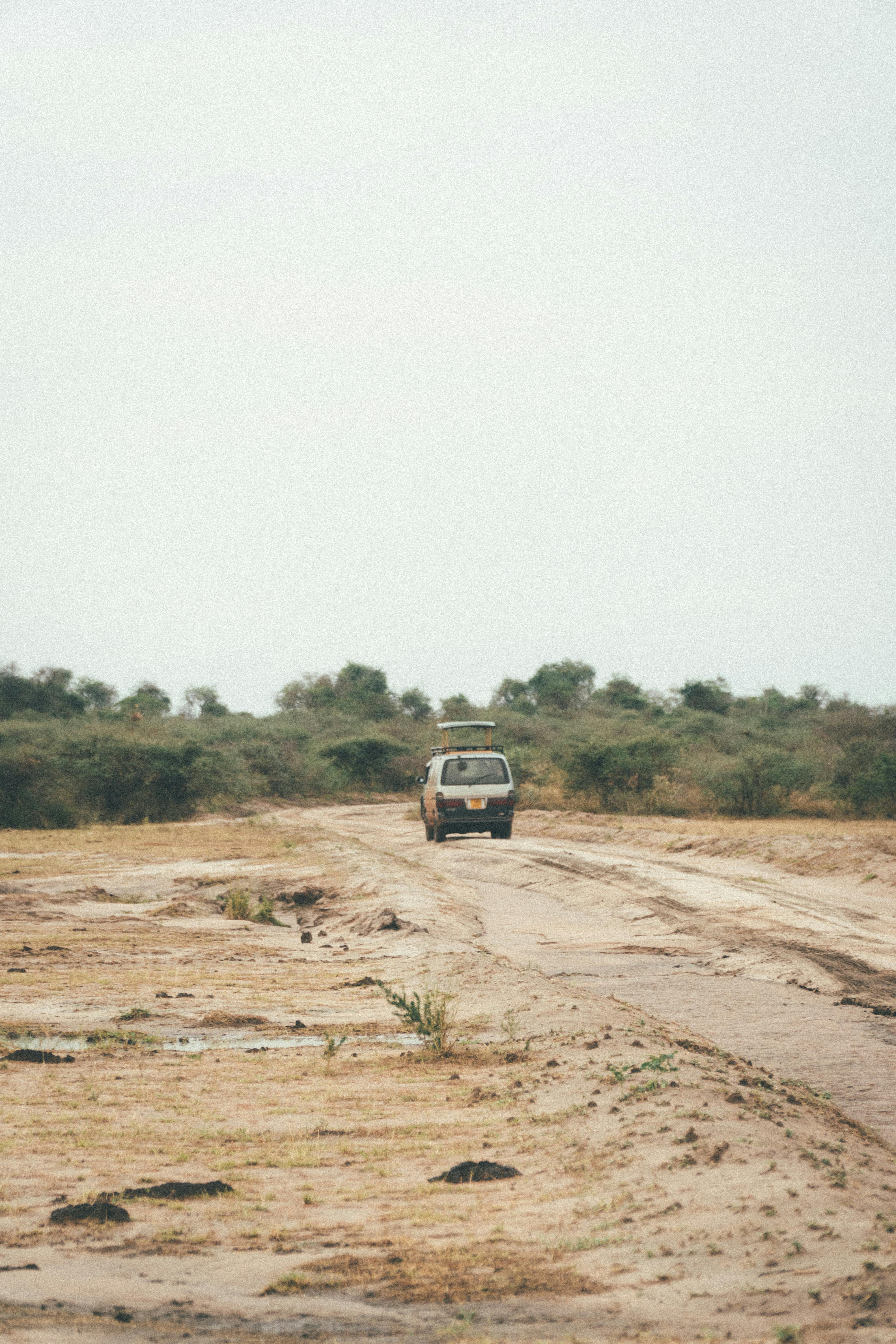
Good access is the line between a dream property and a nightmare. Don’t get caught by surprise—we see buyers fall in love with beautiful land, only to find that driving in and out is a serious challenge.
- Legal Access vs. Physical Access: Confirm your parcel is legally accessed by public or deeded roads. Sometimes, tracks exist on the ground but aren’t recognized as official right-of-ways—this is a red flag for future resale value or disputes.
- Road Quality: Ask:
- Is the road maintained by the county or a homeowner’s association?
- Will you have to perform or pay for maintenance yourself?
- Can a 2WD car make it year-round, or is a high-clearance 4WD essential?
- Seasonal Conditions: Some land becomes unreachable in rain, mud, or snow without expensive improvements.
- Distance to Services: Google Maps is your friend—know the drive time to groceries, gas, and emergency services.
Other Critical Considerations Before You Commit
- Zoning and Building Codes: Some rural counties are relaxed, while others enforce strict rules on minimum dwelling size, wastewater management, and setbacks.
- Soil Testing: For septic systems, ask for a recent perc test—essential for permits and water safety.
- Wildlife and Natural Hazards: Factor in wildfire risk, flooding, and presence of protected/endangered species.
- Property Boundaries: Always verify recent surveys and look for clearly marked corners. Don’t risk building on the wrong ground!
- Cell & Internet Coverage: Even the most remote locations may offer surprising connectivity via cellular or satellite providers; check coverage maps.

Our Approach at USA Land Group
Every piece of land we buy—whether for our clients or ourselves—is scrutinized for the above criteria. Our network, relationships in local counties, and hands-on vetting come from practical experience, not just theory. We never promise perfection, but we believe in transparency and making sure you’re in a position to succeed for the long haul.
The Takeaway: Due Diligence Is Everything
Choosing remote land for off-grid living is both an art and a science. Don’t let emotion override careful research. Prioritize water, power, and access—then build your vision on solid ground. If you’re ready to start searching, or want help inspecting a property you’re considering, that’s what we do best!
Want to discuss what makes land truly viable for off-grid life? Connect with USA Land Group today—let’s find your perfect spot together.