
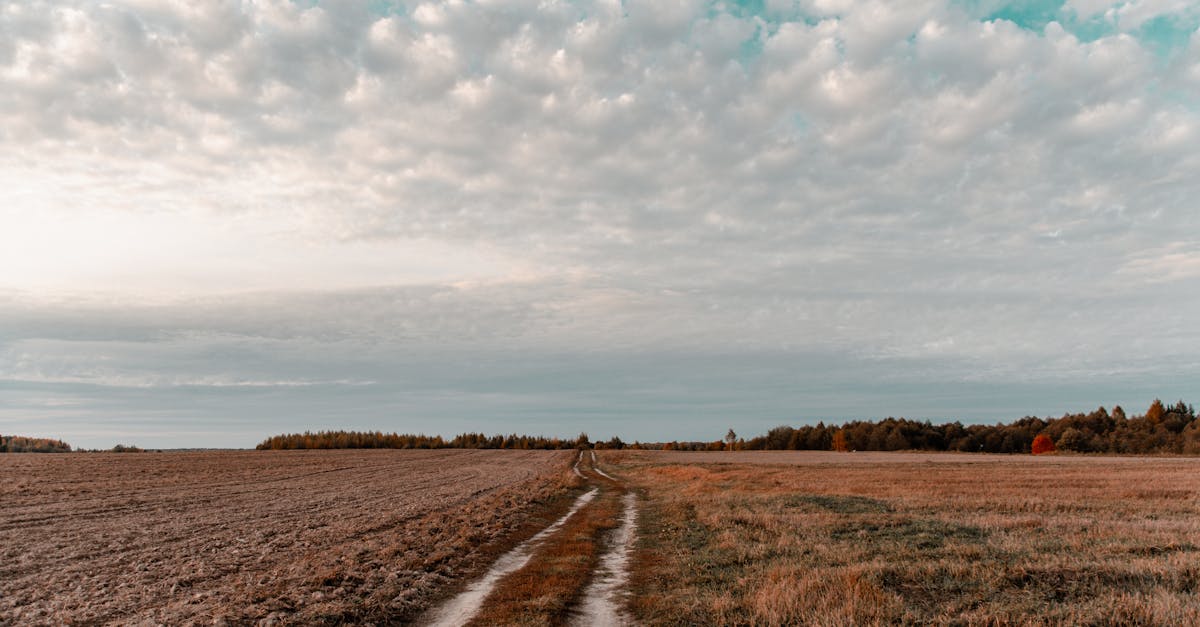
With fall on the horizon, recreational land buying is top of mind for many buyers, investors, and outdoor enthusiasts looking to secure their very own slice of the American landscape. At USA Land Group, we’ve learned that an effective checklist can be the difference between a dream purchase and an unexpected challenge. This guide dives deep into the elements that truly matter for recreational land buying in fall 2025: access, water, and seasonal considerations. Whether you’ve purchased vacant acreage before or are exploring your first raw land investment, our goal is to help you ask smarter questions, notice details others miss, and make informed decisions in this unique market.
Why Fall 2025 is a Unique Opportunity for Recreational Land Buyers
The fall season brings stunning visuals, milder weather, and, most importantly, a window where land features are visible before winter covers everything. Trails become accessible, water bodies reveal their true levels, and you can judge how foliage will impact use year round. Plus, with ongoing shifts in zoning and rural development, market opportunities remain rich for buyers who do their homework.
1. Land Access: More Than Just a Road
Access can fundamentally shape your land use and its potential value growth. We often stress with our buyers that you need to verify:
- Legal Access: Don’t rely on assumptions about old trails or neighboring driveways. Confirm there is deeded access or a legally recorded easement to a public road. It’s not uncommon for apparently accessible parcels to be landlocked or reliant on informal handshake agreements. For a detailed breakdown, read our guide on navigating parcel access and easements.
- Physical Access: Walk the road or path to your desired building site or recreational area. Assess conditions in both dry and wet weather if possible. Dirt roads can become impassable with a few heavy rainstorms. Check for gates, fences, or overgrowth that could restrict future use.
- Maintenance Responsibilities: Some rural routes are not county-maintained. Understand if you or a neighboring owner will need to manage repairs, snow-plowing, or grading. Maintenance costs (in time and dollars) can add up over the years.

2. Water: The Lifeblood of Usable Land
Water features often define land value and future options. Whether you’re planning to fish, hunt, garden, or build off-grid, ask the following:
- Natural Sources: Are there year-round creeks, springs, or ponds? Fall can be revealing – if a water feature looks robust after a dry summer, it’s likely reliable. Verify boundaries, as waterfronts can get muddy in legal terms as well as physically.
- Wells and Water Rights: Raw parcels may or may not have a drilled well. If there’s no existing well, research average depths and get a sense of the groundwater situation. In some regions, water rights are a separate legal instrument – don’t assume they come with the deed.
- Drainage and Flood Risks: Fall rains and receding foliage will highlight where water collects, flows, or stagnates. Look for floodplain maps, evidence of past erosion, and ask about historic flooding events even if the current season looks dry.
- Pond Management and Seasonal Use: If the land has a pond or small lake, check for seasonal algae, evidence of evaporation, or silting. Consider both aesthetic and practical sides: Will the pond remain usable into the dry late summer months? Are there restrictive covenants about water use or shore improvements?
3. Seasonal Use and Restrictions: Thinking Beyond Summer
Many land buyers imagine fun-filled summers, but real value lies in parcels that can be enjoyed year-round. Here’s how we advise evaluating seasonal realities:
- Fall and Winter Accessibility: Will you be able to get to your property after October? Does the access road get closed by county authorities or washed out? Neighborhood input is often helpful if you can’t visit every season before purchase.
- Hunting and Fishing Seasons: Verify which activities are legally allowed during hunting or fishing seasons and whether your neighbors have similar plans. Noise, safety, and increase in temporary users can affect your quiet retreat, especially in prime zones.
- Wildlife Migrations and Habitats: Fall is a perfect time to spot game trails, bedding areas, or corridors used by deer, waterfowl, and other wildlife. Observe carefully for telltale signs and ask locals what to expect as seasons change.
- Fire Risk and Burn Bans: In some U.S. counties, fall is also prime wildfire risk. Understand local fire department rules, existing vegetation management, and any required defensible space for future buildings.
- Winterization Needs: If your recreational use or potential home extends into the colder months, plan for insulation, storage, and power reliability. Think about snow load, frozen pipes, and access to emergency services.

4. Additional Points on Title, Boundaries, and Improvements
In the world of raw land, the details buried in paperwork and old survey posts can trip up uninformed buyers. Here’s what to check every time:
- Verified Boundaries: Request a recent, professional survey or at least a detailed plat map. In rural tracts, fences may or may not correspond with the actual legal lines, and encroachments can cause headaches down the road.
- Title Search and Liens: Make sure there’s clear title, meaning no unresolved claims, back taxes, or undisclosed easements lurking in the history. Even raw land can have old mortgages or mineral rights carve-outs.
- Permitted Uses and Zoning: Rural land doesn’t always mean unlimited freedom. Verify county and state regulations affecting what you construct, store, or clear. For a closer look at how zoning reform is influencing these aspects for 2025, here’s our comprehensive article: how new rules are shaping land values and development opportunities in 2025.
- Existing Improvements: Unfinished cabins, sheds, or old wells may be “as-is.” Inspect thoroughly for code compliance, hidden damage, or environmental hazards.
5. Smart Strategies for Evaluating Fall Properties
Fall offers land buying advantages you won’t get in other seasons. Think about:
- Hiking or driving the parcel after a rain to check for pooling water or chronic washouts
- Reviewing sunlight exposure as leaves drop to plan for future solar panels or gardens
- Asking around about local hunting intensity and neighboring land use in fall and winter
- Bringing binoculars, a drone, or trail cameras for a deeper wildlife inventory

6. Navigating the Acquisition Process with Confidence
At USA Land Group, our philosophy is to empower buyers to think beyond glossy listing photos. Deep due diligence builds confidence, even if you’re shopping from afar or buying without a realtor. Consider layering your search with satellite and GIS tools (see our guide on scouting and valuing land using satellite and AI tools) for a full, year-round picture.
7. Recap: Your Fall 2025 Recreational Land Checklist
- Confirm legal and physical access with documentation
- Assess water sources, rights, and seasonal reliability
- Understand year-round use, fire risk, and climate challenges
- Get current survey data and ensure clear title
- Evaluate all structures or improvements carefully
- Double check zoning and county regulations for your plans
- Visit and walk the land in fall to see “true” conditions
Final Thoughts: The Value of Disciplined Due Diligence
Land ownership is about the freedom to create your own sanctuary, investment, or legacy. Yet, the raw freedom of American land is best enjoyed when you invest the time upfront. Our team at USA Land Group is here to help you evaluate options, connect with local experts, and avoid the common (and not-so-common) pitfalls. If you’re serious about making your fall 2025 land purchase a foundation for years of outdoor memories or long-term gains, explore our resources or get in touch with us to move forward with confidence.