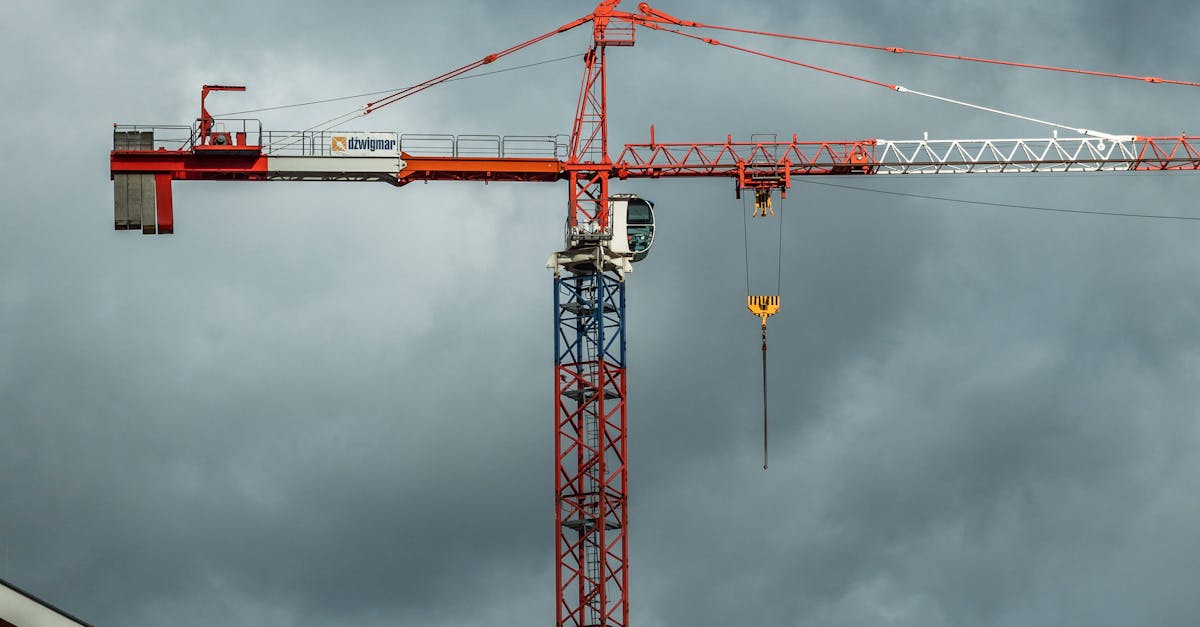
Urban infill development is reshaping the future of American cities, one overlooked lot at a time. At USA Land Group, we see firsthand how transforming underused parcels into vibrant assets can drive both remarkable returns and lasting community value. But urban infill isn’t just about building on any vacant land you can find within city limits. It’s a nuanced strategy that demands research, creativity, and a keen understanding of local context.
What Is Urban Infill Development?
Urban infill means strategically developing empty, underutilized, or obsolete plots within already established urban neighborhoods. Think vacant lots between houses, abandoned parking areas, or derelict industrial sites bordered by bustling city life. The goal is to make better use of the land we already have, adding new housing, amenities, or mixed-use projects where infrastructure exists and daily conveniences are close at hand.
Why Urban Infill Makes Sense for Savvy Investors
From our experience, infill lots offer unique advantages that can add up to significant profits, especially when compared to greenfield (suburban edge) development. Here’s why:
- Premium Locations: Infill plots are often close to jobs, public transit, schools, and cultural hotspots, driving up end-user demand.
- Existing Infrastructure: Utilities, sidewalks, and roads are already there, cutting key costs and project timelines.
- Community Support (When Done Right): Sensitive infill can revitalize neighborhoods, lift local property values, and sometimes even win municipal incentives or faster permit processing.
- Environmental Benefits: Building within cities reduces sprawl, preserves rural landscapes, and leverages existing public resources.
Identifying Profitable Infill Opportunities
At USA Land Group, we don’t just look for any empty city lot. We focus on sites with real recreational or residential potential and scalable upside. Here’s our high-level approach to finding diamond-in-the-rough opportunities:
- Neighborhood Analysis: Look for areas with job growth, population inflows, infrastructure upgrades, or zoning reforms encouraging higher density. (Read more on how zoning changes impact urban land values and development.)
- Parcel Audit: Not all lots are buildable. We examine shape, size, topography, access, utilities, and zoning to weed out duds early.
- Market Feasibility: What does the neighborhood crave—townhomes, cottage clusters, live-work lofts, or pocket parks? Local demand will drive design and eventual returns.
- Regulatory Diligence: Scrutinize parking requirements, setbacks, lot coverage, and possible historic or environmental overlays. Sometimes small lots need creative solutions to comply with codes.

Maximizing Value: Strategies That Work
Unlocking the highest value from infill plots—especially those that don’t immediately scream “easy build”—requires strategic vision. Here’s how we approach it:
1. Rezone or Reimagine
Zoning reform is gaining traction nationwide, eliminating old barriers like single-family-only rules. We regularly evaluate what’s legally possible now, and what could change soon (see how ending single-family zoning is opening new doors).
2. Design for Density and Flexibility
Some of the most successful infill projects fit a few extra homes, ADUs, or small apartment units on a single former lots. Thoughtful design—like townhomes with shared courtyards or lofts over retail—can dramatically boost per-square-foot returns.
3. Build-for-Rent or Sell Turnkey
The surge in demand for rental units in walkable urban neighborhoods makes build-to-rent infill projects especially attractive. For those seeking quicker exits, even prepping and marketing a build-ready lot can net a strong premium.
4. Combine or Split Parcels
Sometimes the opportunity lies in assembling multiple adjacent lots, then creating a small pocket development. Other times, a large, oddly shaped parcel can be subdivided for multiple units, multiplying returns with the right approvals.
Challenges to Navigate (And How We Do It)
Infill is rewarding but not without hurdles:
- NIMBYism (Not In My Backyard): Neighborhood resistance can stall projects. We prioritize community engagement and transparency early to align on a vision that benefits everyone.
- Site Constraints: Odd lot shapes, soil issues, or access challenges require creative architects and experienced teams—plus budget contingencies for surprises.
- Red Tape: Expect an up-front investment in the pre-development phase. Deep due diligence on entitlements is key.
- Capital: Developing urban lots—especially those needing environmental cleanup or major upgrades—may require specialty financing or partnerships.
What Types of Urban Infill Work Best?
There’s no one-size-fits-all. But we find the most resilient and profitable concepts share these traits:
- Mixed-Use and Missing Middle Housing: Think duplexes, triplexes, cottage courts, or live-work spaces that fit the neighborhood yet maximize utility. (Explore more in how mixed-use projects transform vacant land investment.)
- Small-Scale Rentals: Boutique apartment clusters or townhomes for rent meet rising urban housing needs.
- Community Amenities: Pocket parks, gardens, or play areas often earn swift approvals and can increase the value of surrounding homes or lots.
- Adaptive Reuse: Repurposing an old warehouse or commercial building into residences or creative flex spaces often wins neighborhood and city support (and avoids ground-up construction costs).

Steps for Landowners, Investors, and Brokers Interested in Infill
If you own or are eyeing an oddly placed, vacant, or underperforming urban lot, here’s a practical path to get started:
- Assess Feasibility: Identify current zoning, access, and utility status. Engage a local urban planner or consult with our experts for a reality check.
- Market Analysis: What’s getting built (and absorbed) nearby? Strong comps and robust demand signal potential.
- Sharpen the Vision: Weigh the pros and cons of direct development versus selling to a developer or assembling with neighbors.
- Early Engagement: Reach out to city officials and community groups early. Adaptive plans with local input face fewer roadblocks.
- Secure The Right Team: Architects, engineers, and developers who specialize in infill can solve headaches before they begin.
How Urban Infill Is Evolving in 2025
We’re seeing major tailwinds for infill projects across the U.S. as cities push for housing creation, climate resilience, and vibrant urban cores. Policy shifts supporting accessory dwelling units, reduced parking minimums, and upzoning are shrinking barriers. For landowners and investors, understanding these trends is crucial.
If you want to dive deeper, our article on zoning reform in action breaks down key changes shaping infill possibilities nationwide.
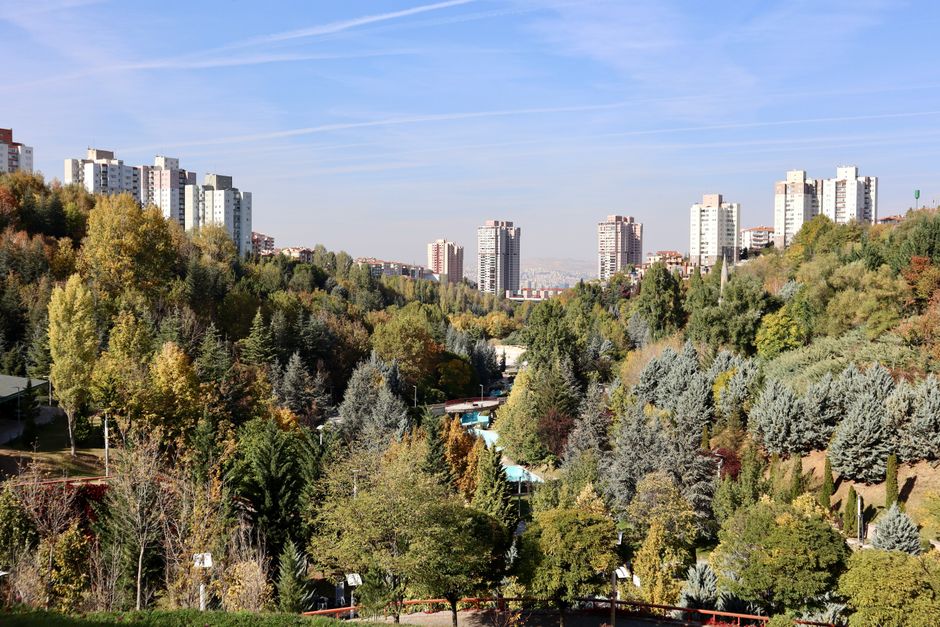
The Bottom Line: Infill as a Tool for Profitable, Responsible Urban Growth
At USA Land Group, we believe that urban infill isn’t just a smart investment strategy—it’s a way to weave new life and energy into our cities sustainably. By focusing on parcels with real potential and leveraging planning, creativity, and market demand, we maximize ROI for sellers and buyers alike.
Ready to turn your overlooked urban land into a thriving asset? Whether you’re looking to sell, explore joint ventures, or just get clarity on what’s possible, we invite you to reach out to USA Land Group for real advice from nationwide urban land specialists.