When it comes to land investment in the USA, two strategies tend to spark the most debate among savvy investors and land buyers: urban infill and greenfield development. Both can drive impressive ROI when approached with clear goals and an understanding of the local landscape. At USA Land Group, because we work across 3,142 counties and focus on recreational and residential feasibility, we’ve seen firsthand the nuances, hidden costs, and potential windfalls of each method. Let’s break down what we’ve learned, so you can make the best decision for your next land move—and maximize your return on investment.

Defining Urban Infill and Greenfield Investments
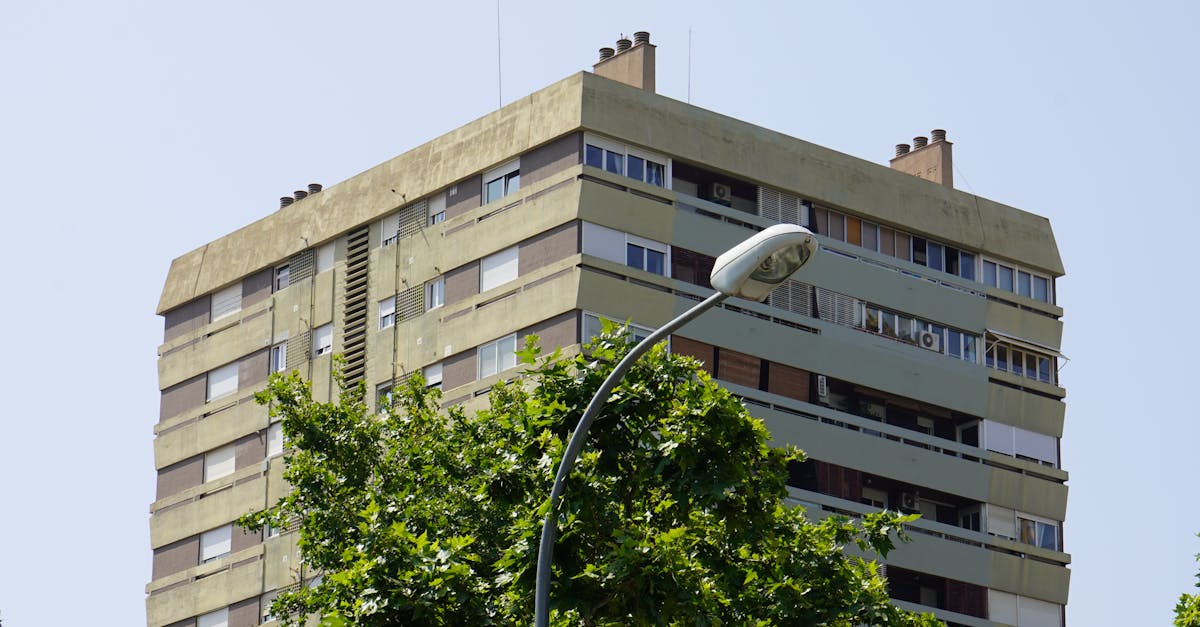
- Urban Infill: Buying and developing vacant or underused parcels of land within the existing urban framework—think empty lots in established neighborhoods or older industrial sites ripe for transformation.
- Greenfield: Purchasing land that has never been developed (i.e., raw or agricultural land), usually on the outskirts of cities, and creating something from scratch—be it a new residential subdivision or a recreational retreat.
Urban Infill: The Allure of the Established Neighborhood
Urban infill plays to the unbeatable strength of location. Being part of a built-out area, these parcels often benefit from:
- Existing Infrastructure—utilities, roads, public transport, and nearby amenities (schools, shopping, parks).
- Immediate Demand—buyers and renters already want to live or do business here, reducing holding times and vacancy risk.
- Appreciation Potential—urban land is finite; as cities grow, demand for centrally located lots usually increases.
However, urban infill isn’t all upside. You’re often constrained by zoning, historical overlays, and NIMBY (“Not In My Back Yard”) resistance. Permitting may be slower, and construction can be tricky due to site limitations and neighbor concerns. These factors can elongate your timeline and impact your bottom line if not handled well.

Greenfield Investments: The Blank Canvas Opportunity
Greenfield parcels are our bread and butter at USA Land Group. There’s something powerful about identifying a tract that looks like nothing today but, with vision and proper due diligence, can become a thriving community or sought-after recreational escape.
- Lower Entry Cost—Land on the outskirts or in the path of growth is often dramatically cheaper per acre than anything urban.
- Very Flexible Use—Fewer encumbrances, so you can often pursue a wider variety of uses (from residential developments to eco-tourism, RV parks, or recreational getaways).
- Forcing Appreciation—With strategic subdivision, infrastructure installation, and simple improvements, raw land can be repositioned for a substantially higher sale price in a relatively short period.
- Speculative Upside—Growth corridors and migration patterns mean today’s edge-of-town could be tomorrow’s hotbed of activity.
Still, greenfield comes with its own risks:
- Longer Timelines—Entitlements, infrastructure build-out, and marketing can take 2-5+ years depending on the local regulatory climate.
- Market Sensitivity—You’re making a bet on future demand. Economic or political shifts can impact project feasibility and absorption rate.
- Development Costs—Expect to carry the expense of utilities, roads, and environmental mitigation—these add up fast.
ROI Comparison: Which Strategy Comes Out Ahead?
So, let’s address the key question for investors: which strategy is more likely to yield a higher ROI?
Urban Infill ROI Drivers
- Greater Predictability—Because you’re working in an established market, demand trends are clearer; investors often realize steady, reliable profit margins.
- Faster Turnover—If you can navigate permitting swiftly, you’ll enjoy cash returns sooner than many greenfield projects.
- Premium Pricing—End users pay a location premium, supporting higher per-square-foot valuations.
That said, initial costs (land price, permitting, design) are higher, and profit margins can be squeezed by unforeseen hurdles.
Greenfield ROI Drivers
- Massive Upside Potential—If you purchase strategically in the path of growth, even modest improvements (subdivision, utilities) can dramatically increase land value—a true force multiplier for ROI.
- Lower Initial Investment—The price per acre lets you take down more land for the same capital, compounding your potential reward.
- Creative Control—You’re not beholden to urban form or existing NIMBY opposition, allowing ambitious projects that can capture escalating demand as cities sprawl outward.
It’s important to realize, though, that greenfield success depends on timing, local regulatory risk, and your access to capital during longer development durations.

Risk Tolerance and Investment Goals: The Deciding Factors
The right approach for you may hinge less on ROI averages and more on your personal investing strategy and risk profile.
- If you’re risk-averse, urban infill’s predictability, established demand, and speed may offer peace of mind—even if the returns are somewhat capped by higher entry costs and more competition.
- If you’re willing to play a longer game, with a tolerance for the risk and friction of approvals/infrastructure development, greenfield investing can deliver superior ROI—especially if you target recreational or residential projects that align with shifting migration and lifestyle patterns.
What We’ve Learned from Operating Nationwide
At USA Land Group, our exposure to thousands of counties has consistently shown us:
- Urban Infill shines in mature, supply-constrained cities—classic locations where people will always pay a premium for proximity, community, and amenities.
- Greenfield dominates in fast-expanding metros and in states seeing population booms or new infrastructure investments. The key? Focus on land with clear recreational or residential feasibility (lakefront, mountain views, proximity to highways) and steer clear of environmental or political red tape.

Best Practices: Maximizing ROI in Your Chosen Strategy
For Urban Infill
- Do meticulous due diligence—Explore zoning, entitlements, and neighborhood politics before you buy.
- Partner with local experts—Their relationships can speed up approvals and reduce costly missteps.
- Keep projects efficient—Small-scale or modular construction can deliver speed without overruns.
For Greenfield
- Follow the growth—Target corridors with new highways, incoming employers, or strong recreation/tourism trends.
- Buy for multiple potential uses—If market winds shift, you want fallback options (e.g., residential, rec use, conservation).
- Scale for flexibility—Subdivide to match a range of buyer types and price points, controlling absorption and maximizing sales velocity.
Final Take: Which Strategy Yields Higher ROI?
If you’re looking for a clean answer, here it is: Greenfield land with high recreational or residential feasibility in the path of growth typically offers the best shot at outsized ROI—if you’ve got the patience and a team that knows how to force appreciation responsibly. Urban infill investments, while potentially less explosive, still offer excellent returns for those who want faster, more reliable results with fewer unknowns.
Our philosophy at USA Land Group is simple:
Know your market, know your exit strategy, and don’t underestimate the value of vision and persistence in raw land investment.
Looking to Get Started or Sell Land?
If you own vacant or underutilized property and want to see how much your land or lot could be worth in today’s shifting market, or if you’re an investor interested in identifying high-potential parcels before the crowd, connect with us. We operate nationwide and specialize in finding and unlocking value in land where few others look.
Learn more or reach out at USA Land Group.