

We’re in a transformative moment for land use across the U.S. As cities and counties move to end single-family zoning policies, anyone considering buying, selling, or investing in land needs a clear-eyed understanding of what this seismic policy shift really means in 2025. At USA Land Group, we view these changes through the lens of opportunity—especially for those looking to maximize value and respond to new market realities.
Understanding the End of Single-Family Zoning: What’s Actually Changing?
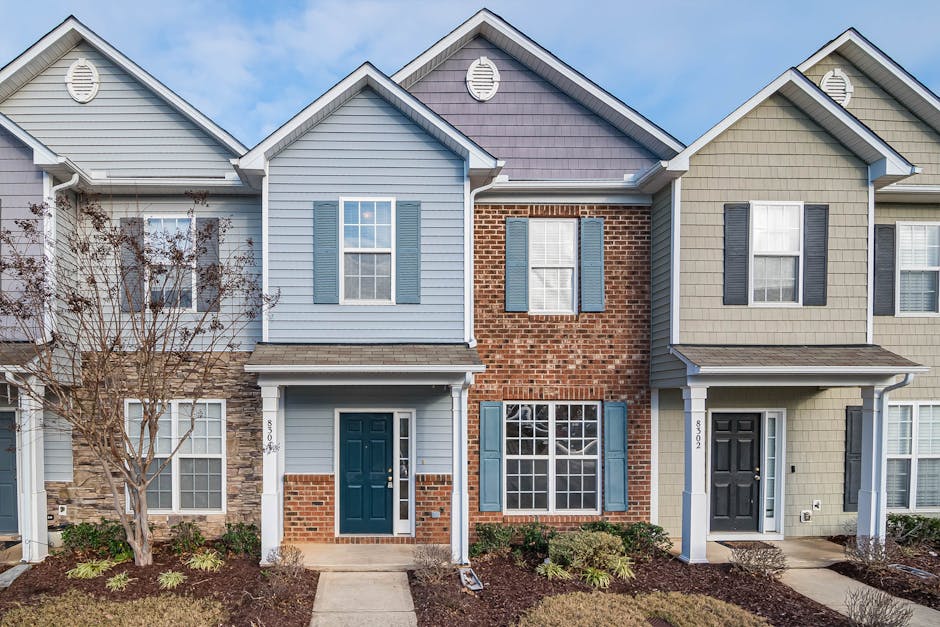
Single-family zoning has long been the norm in most American neighborhoods, dictating that only one detached home be built on a single lot. Now, in response to housing shortages, affordability crises, and changing urban priorities, more municipalities are eliminating or relaxing these restrictions.
- More flexibility: Property owners can often now add duplexes, triplexes, ADUs (accessory dwelling units), or even small apartment buildings where only one home was previously allowed.
- Broader buyer pool: Developers, multifamily investors, and even individuals seeking affordable living arrangements are newly interested in parcels that were once only suitable for single homes.
- Greater density—but with local nuances: Zoning reforms vary greatly by city, county, and state. Not every area is liberalizing rules to the same degree, and some changes come with caveats (setbacks, design requirements, parking minimums, etc.).
Why Should Land Buyers and Investors Care?
Ending single-family zoning doesn’t just change what you can build—it fundamentally alters land valuation, neighborhood character, and the risk-reward calculation for owners, sellers, and investors. Here’s how we see the market shifting:
- Land values may rise in formerly single-family districts where density is now possible. Parcels that can host four units instead of one are almost always worth more, especially in in-demand metros.
- Development potential is now paramount. The land’s best and highest use may be dramatically different post-zoning reform. Buyers must analyze not just current value but future potential.
- Community context matters. Some neighborhoods will embrace density, others will resist, and local politics can impact implementation—savvy investors pay close attention to local dynamics.
How Zoning Reform Impacts Raw, Vacant Land
We specialize in buying raw, vacant land with an eye for forced appreciation. Here’s how the shift away from single-family zoning expands what’s possible:
- Smaller parcels can punch above their weight. A formerly single-family-only parcel may now accommodate multiple units, unlocking new income streams or resale targets.
- Vacant lots in infill locations become hot commodities. As the development ceiling rises, so does investor appetite for strategic infill parcels. For more on this strategy, check out our detailed breakdown of urban infill versus greenfield investments.
- Entitlement risks and certainty are more important than ever. Buyers should diligence not just what new zoning theoretically allows but also what the local process and political sentiment actually support.
Key Implications for Different Types of Land Investors
1. Residential Developers
With fewer regulatory barriers, developers can acquire land in previously restricted locations and plan for denser projects. However, this increases competition for prime sites and raises the bar for due diligence on infrastructure and neighborhood response.
2. Long-Term Holders
If you’re holding land for appreciation, the end of single-family zoning could turbocharge your returns—provided local demand supports denser forms of housing. Regularly reassess your land’s potential as rules, and market appetite for new housing types, shift.
3. Flippers and Value-Add Investors
Quick-footed investors are already hunting for underpriced parcels that can be rezoned or permitted for multifamily, creating instant value. Be wary: the window to buy “under the radar” narrows fast as reforms become more public and landowners catch on.

Risk Factors Unique to Zoning Reform Environments
- Policy rollbacks or reversals: Changing zoning is political. Land use rules can be rolled back after elections, or implementation slowed by neighborhood opposition. Factor this risk into your decision making.
- Infrastructure constraints: Some neighborhoods lack the water, sewer, or road capacity to support denser development. Study what upgrades (and costs) might be required.
- Financing and timeline uncertainties: Lenders and appraisers may be cautious about new project types, especially in places where rules were just enacted. Build extra time and contingencies into your plan.
Opportunities Emerging From a Post-Single-Family Zoning Landscape
For land owners, buyers, and investors who pay close attention, the shakeup creates outsized opportunities:
- Joint ventures: Owners of adjacent parcels can partner to create larger assemblages for higher-density projects—unlocking value that would be impossible alone.
- Build-to-rent: The ability to construct multiple rental units on one lot fits perfectly with emerging investment strategies. Learn more about this concept in our piece on maximizing land value through build-to-rent models.
- Land banking revised: As new cities liberalize zoning, land banking focuses shift toward parcels near transit or in walkable neighborhoods where missing-middle housing is newly possible.
Due Diligence Checklist for Land Buyers in 2025
We’ve assembled a practical checklist for anyone assessing a lot or raw land investment in a post–single-family zoning world:
- Verify current and pending zoning changes. Don’t go by headlines—read the actual code and call the planning department for clarification.
- Study the physical feasibility. Topography, floodplain status, soil, access, infrastructure, and other issues can limit how many units can actually be built. Our guide on essential questions to ask planning departments can help you prepare.
- Engage with the neighborhood. Gauge the community’s response to densification, as local support or opposition can speed up or slow down your development timeline.
- Model multiple exit strategies. Will your parcel work as a for-sale project, a build-to-rent investment, or even as a hold pending further policy change?
Strategic Areas to Watch in 2025 and Beyond
While reforms started in some large metros, policy momentum is nationwide. Watch for action in:
- Major cities facing housing shortages and affordability pressures
- Mid-sized and growing metros where urban sprawl is an environmental concern
- Select suburban counties responding to state-level mandates
Our Unique Perspective: What Sets USA Land Group Apart
At USA Land Group, we don’t just track policy headlines—we operate on the ground in markets across all 3,142 U.S. counties. Our direct experience buying, entitling, and repositioning raw land allows us to spot undervalued parcels and help our clients (whether buyers, sellers, agents, or investors) maximize returns while minimizing risk. We’re seeing firsthand how zoning liberalization creates both immediate opportunities and longer-term uncertainty.
Unlike many, we don’t speculate on hype. Our process starts with hard data, rigorous due diligence, and a local, boots-on-the-ground understanding. That’s how we deliver returns, even as the rulebook is rewritten.
Further Reading: Deepen Your Understanding
- Learn how to maximize value through build-to-rent.
- Explore key planning department questions to ask before buying.
- Dive into infill versus greenfield strategies for maximizing ROI.
Bottom Line
The elimination of single-family zoning marks a new era for land markets, unlocking value but adding new layers of complexity. By staying ahead of policy changes and understanding both the risks and opportunities, buyers and investors can reposition themselves to meet the moment. If you see your land as part of this new wave, or want to learn how to take advantage of these trends, connect with us at USA Land Group. Let’s shape your strategy for this new, more flexible future.