Conservation easements are getting a fresh look from U.S. landowners and investors in 2025—and for good reason. In a market that spans 3,142 counties with ever-growing demand for recreational and residential land, innovative approaches like conservation easements can help unlock latent value, deliver compelling financial benefits, and preserve America’s landscapes for future generations. At USA Land Group, we’ve seen up-close how strategic conservation measures can turn raw, vacant land into smart, risk-limited investments and legacy assets.

What Is a Conservation Easement?
A conservation easement is a voluntary, legal agreement between a landowner and a qualified land trust or government agency. The agreement permanently limits certain types of uses or prevents development on the property to protect its conservation values—think wildlife habitat, open space, water sources, or agricultural land.
- Permanent but Flexible: While the restrictions last forever (even if the property changes hands), each easement is uniquely tailored. Landowners can retain rights—such as to farm, hunt, or live on the land—so long as those activities align with the conservation goals.
- Tax Incentives: Easements can potentially reduce property, estate, and federal income taxes, offering landowners a financial incentive alongside environmental stewardship.
Why Should Landowners and Investors Consider Conservation Easements in 2025?
The benefits of a conservation easement aren’t limited to philanthropic landowners—they’re increasingly attractive for land investors, families planning their estate, and those seeking to maximize long-term ROI without the risks of overdevelopment. Here’s why:
- Tax Savings – Conservation easements may significantly reduce income, property, and estate taxes. The value of the donated easement (the difference between the land’s value before and after the restrictions) is often tax-deductible, subject to IRS rules and current regulations.
- Estate Planning – By reducing the taxable value of land, a conservation easement can help families keep properties intact across generations, minimizing estate taxes and potential forced sales.
- Protecting Natural Value – For land with recreation or residential feasibility—prized in the U.S. market—preserving pristine qualities can actually boost its appeal and value to discerning buyers, especially those interested in conservation-minded ownership.
- Aligning with Market Trends – As demand for sustainable, low-density, and unique recreational spaces rises, conserved land is carving its own niche in the investment landscape. This can limit risk while meeting authentic market needs.
How Does the Conservation Easement Process Work?
While the details can be complex, the typical steps to establish a conservation easement involve:
- Identifying Conservation Value: Not every property qualifies. Landowners must work with conservation professionals and appraisers to establish the unique environmental, historic, recreation, or agricultural worth of their land.
- Partnering with a Land Trust or Agency: The holder ensures the restrictions are followed in perpetuity. Choosing the right partner is critical—they’ll be stewards long after the ink dries.
- Customizing the Easement Agreement: Each document is unique and should reflect both the owner’s needs and the land’s conservation goals. You may want to retain hunting rights or sustainable forestry, for example.
- Valuation and Appraisal: A qualified appraiser determines how much value is given up by attaching the easement, which shapes potential tax benefits and protects against IRS scrutiny.
- Documentation and Recordation: The agreement is legally recorded with the county, becoming part of the property deed in perpetuity.
Who Should Consider a Conservation Easement?
At USA Land Group, many of our clients across the U.S. have found easements a fit in scenarios like:
- Owning large recreational, agricultural, or wild parcels, particularly in regions where open space is vanishing
- Facilitating intergenerational transfers without high estate taxes
- Investing with an eye toward long-term ROI, stable values, and sustainable legacy
- Wishing to preserve unique habitats, waterways, or landscapes for community or personal reasons

Key Considerations and Cautions in 2025
While conservation easements can be powerful, there are some nuanced realities landowners and investors should weigh:
- Permanent Decision: Restrictions cannot be undone in the future—future buyers are also bound.
- Tax Rules Are Evolving: The IRS applies strict scrutiny; improper documentation or valuation can invalidate tax benefits or trigger penalties. Work with professionals experienced in conservation real estate and tax law.
- Impacts on Value: While limiting development can reduce speculative value, it often raises appeal among conservation-minded buyers or for recreation, hunting, and legacy uses. As more buyers seek these amenities, conserved lands may even command premiums in the right markets.
- Custom Agreements: Every easement is different. Don’t rely on generic templates—customize each agreement based on your land’s best and highest uses and your goals.
Common Misconceptions About Conservation Easements
- “I lose control of my land.” – Actually, you negotiate which uses remain. Most landowners continue to live on, manage, and even profit from the property, as long as those uses align with the easement.
- “They’re only for the mega-rich.” – While often used by large landowners, smaller tracts—if they have significant environmental or recreational value—are eligible and can benefit.
- “My land will lose all market value.” – Easements can reduce market value for pure development, but often enhance value for those seeking privacy, outdoor recreation, or sustainable resources.
How USA Land Group Approaches Conservation Value
What makes conservation easements especially relevant for our business and clients is our company-wide focus: acquiring and transforming raw, vacant land with recreational and residential feasibility. By leveraging conservation tools, we’re able to:
- Identify landholdings ideally suited for limited development, sustainable recreation, or habitat preservation
- Maximize usable acreage and optimize returns by carving out working and recreational areas while protecting the most sensitive or valuable features
- Connect buyers, sellers, and investors with conservation-minded opportunities that fit modern priorities and community needs
- Reduce exposure to local regulations or anti-development measures by proactively guiding land use toward preservation and positive community impact
FAQs: Conservation Easements for Landowners and Investors in 2025
- Are conservation easements only for working farms and ranches?
No—any parcel with unique ecological, scenic, or recreational value (woods, wetlands, ridgelines, historic space) might qualify. - Can I still sell my land?
Yes. The easement stays with the property, but you can transfer ownership or pass it on. The buyer simply accepts the same terms. - Can I partially develop?
It depends on the agreement. Many owners reserve limited building envelopes, cabins, or other improvements that won’t harm conservation values. - Is the process complicated?
The legal and tax work is specialized, but with the right partners and due diligence, it’s extremely manageable—especially compared to traditional development approvals or entitlement work.
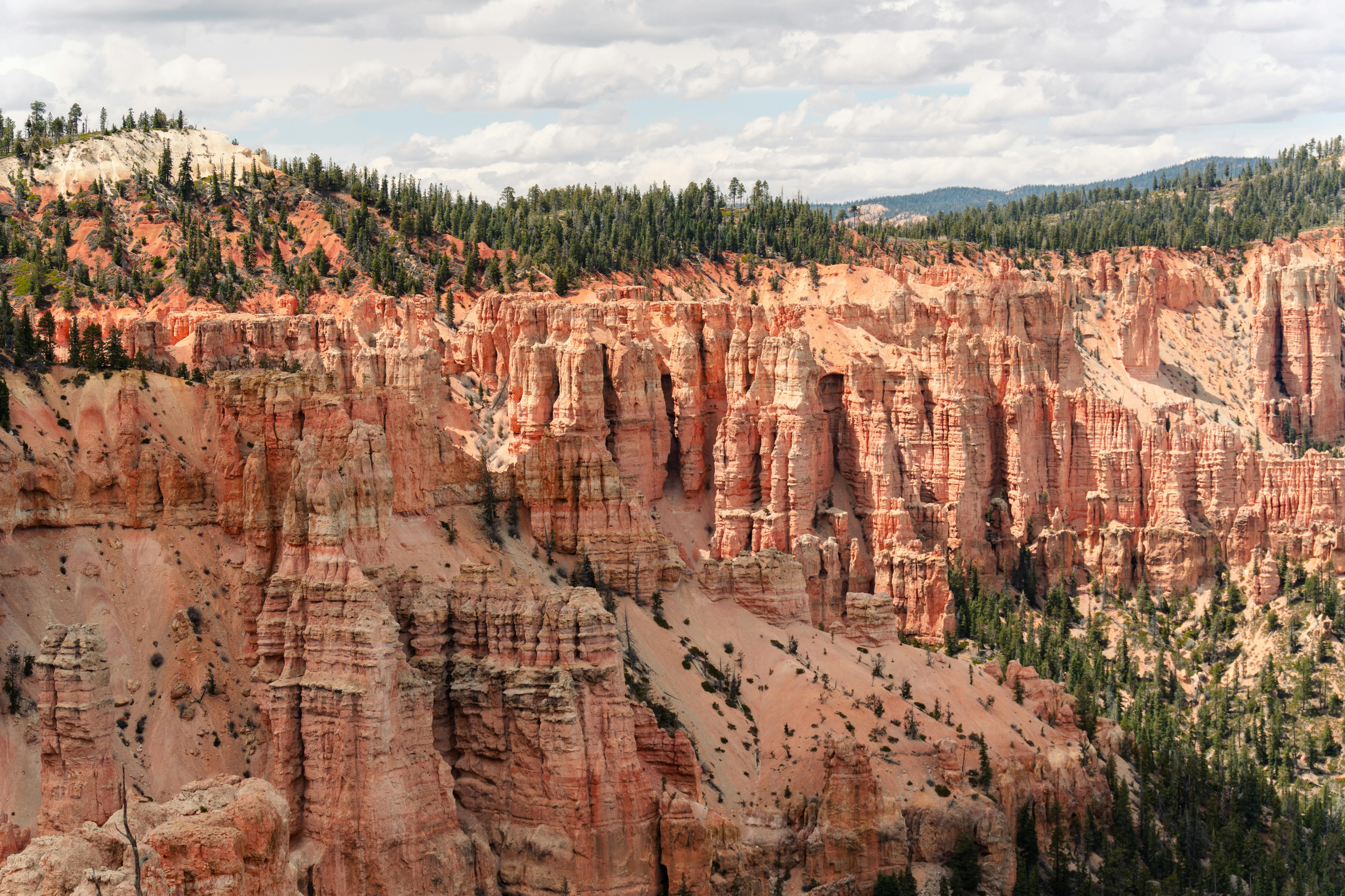
Is a Conservation Easement Right for You?
If you own or invest in land with natural beauty, wildlife, or potential for recreational use, this approach may unlock both immediate and enduring value. Easements are one of the few tools that can deliver tax savings, prevent unwanted development, and ensure your land’s legacy—all while keeping options open for recreation, habitat management, or selective residential use.
As always, it’s crucial to consider your financial goals, long-term plans, and the unique nature of your property. We encourage you to partner with experienced real estate and conservation professionals before making a lasting decision.
Connect With Us
At USA Land Group, we’re committed to helping landowners and investors realize the full value of their property through proven, forward-thinking strategies. Want more insight or have questions about selling, buying, or optimizing land with conservation value in mind? Reach out to us today—let’s discover the true potential of your land together, and help you navigate the conservation opportunities that 2025 brings.