
The rush toward U.S. farmland and raw land investment is more than a headline—it’s becoming a defining movement in the world of alternative assets. At USA Land Group, we’re immersed in this transformation daily, working with individuals who recognize that land is not only the oldest asset class, but also a pathway to potentially outsized returns and portfolio diversification when approached strategically. Let’s unpack what’s fueling the boom, where the greatest opportunities lie, and how you as a land investor can ride this wave with both confidence and clarity.

Why Farmland Investment Is Surging in the U.S.
- Staggering Demand for Land: Urban expansion, renewable energy, and food security have all intensified demand for agricultural and recreational acreage. But unlike tech stocks or crypto, nobody is making more land.
- Resilience to Economic Shocks: History demonstrates that land—especially U.S. farmland—tends to weather inflation and recession better than most other assets. This resilience is driving a new class of investors to seek farmland and raw land as a buffer against volatility.
- Shifts in Demographics and Lifestyles: As remote work has become a norm and families seek space and self-sufficiency, rural and semi-rural land have attracted interest from across the economic spectrum.
The USA Land Group Approach: Turning Raw Potential into Dynamic Value
We operate across all 3,142 U.S. counties, but our approach isn’t about snapping up just any vacant parcel. Our specialty is sourcing raw land with true recreational or residential feasibility—think hunting tracts, buildable rural lots, or untapped acreages that can be reimagined.
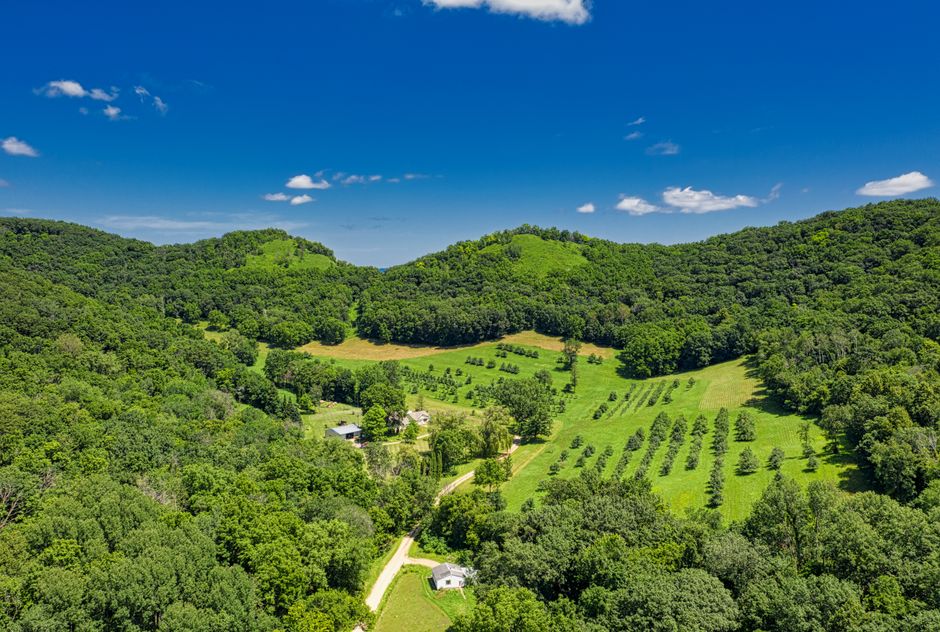
- Recreational Focus: Properties suited for hunting, fishing, off-grid getaways, or outdoor retreats can command premium interest from buyers beyond traditional farmers.
- Residential Feasibility: Land positioned for future home development—or even simple off-grid cabins—offers flexible end uses and broadens our pool of end buyers.

How We Force Appreciation in Raw Land
Unlike developed real estate, raw land rarely appreciates on its own schedule. At USA Land Group, appreciation is engineered by identifying land with latent or overlooked value, then acting to unlock that value. Here’s how:
- Diligent Due Diligence: Title research, zoning, utility access, and soil/perk testing are all part of our value-add toolkit, since a clean and ‘ready’ property attracts far more interest than raw, tangled parcels.
- Targeted Improvements: Sometimes, minimal additions—clear driveway access, a boundary survey, or basic land clearing—can increase perceived value and buyer appetite exponentially, without the overhead of full development.
- Strategic Marketing: We use crisp drone footage, GIS data, and tailored outreach to connect each property with the right type of end-user, whether that’s a hunter in the Midwest or a family seeking a rural homesite in Texas.
Where Are the Hottest Opportunities?
While farmland hotspots will ebb and flow, our national reach uncovers opportunity in both classic and overlooked regions. Here are common patterns we see for raw land investors seeking to be ahead of the curve:
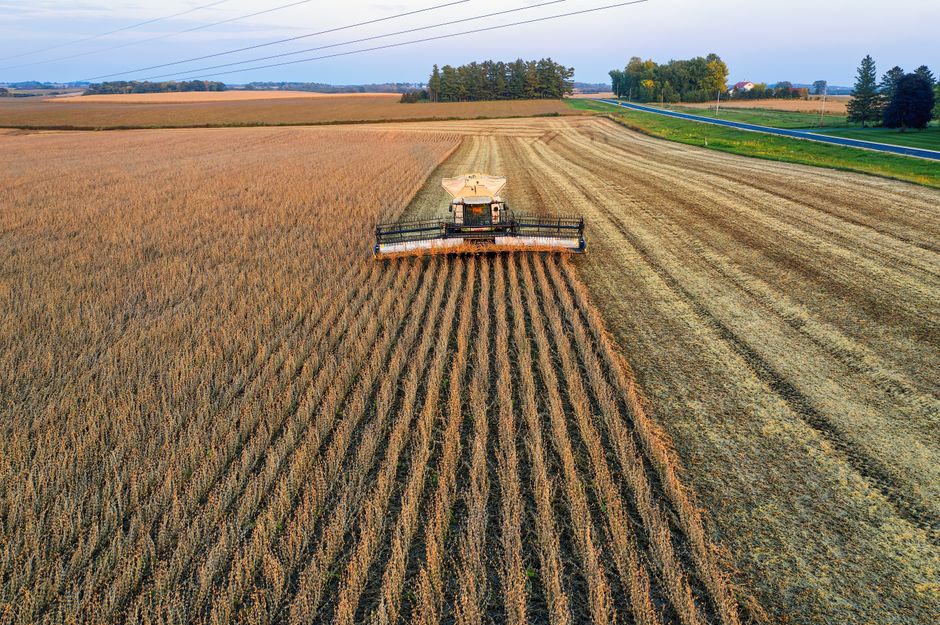
- The Midwest: America’s breadbasket stays attractive for agricultural use, but we’re seeing surprising recreational and cabin demand in states like Minnesota, Wisconsin, and Missouri.
- The Southeast and Texas: Booming populations drive appetite for mini-farms, country homes, and mixed-use rural acreage—sparking significant competition, especially within an hour of major metro centers.
- The Great Outdoors States: Regions in Colorado, Idaho, and Montana are prime for recreational buyers, but zoning and access are key, so due diligence is everything.
Steps to Capitalizing on the Boom: Our Best Practices for Investors
- Start With a Clear Investment Goal
Do you want to flip land for short-term profits, build a long-term holding portfolio, or focus on land that generates recurring income (i.e., from hunting leases or specialty crops)? Identifying your target strategy shapes all other decisions. - Vet the Feasibility Intensively
We never purchase without thoroughly checking use restrictions, mineral rights, floodplain maps, and access. Raw land looks attractive from afar—details buried in county records often make or break a deal. - Consider the End User
Ask: Who is most likely to pay top dollar for this kind of parcel? Weekend adventurers, aspiring farmers, builders, or those seeking a retirement retreat all have different needs, and the right marketing hinges on this understanding. - Factor in Holding Costs
Land typically comes with low ongoing expenses, but you’ll want to budget for property taxes, simple maintenance, and (if short-term flipping), sales costs. - Map Your Exit Strategy
Successful investors in this boom always have a Plan A and Plan B exit—whether that’s selling retail, wholesaling, or even partnering for future development.
Navigating Common Pitfalls (From Our Own Hard-Won Experience)
- Avoid Ambiguous Legal or Title Issues: Unclear boundaries, missing deeds, or unresolved liens are the enemy of speed and value. Work only with titles that can be insured and verified.
- Don’t Overleverage: Buying too many parcels at once (especially in unfamiliar areas) increases risk. We scale carefully, leaning on local data and trusted local contacts.
- Research Adjacent Development Plans: A quiet field now could be adjacent to a future highway or wind project later, for better or worse. Always check county development boards and local news.
How to Get Started with Farmland & Raw Land Purchase (With Us)
We know firsthand that navigating over three thousand counties takes local insight, hustle, and a hefty dose of patience. When you work with USA Land Group, you tap into our nationwide reach and a network that understands subtle differences between markets—and stays focused on the mechanics of value-add, not speculation. If you’re serious about adding U.S. land to your portfolio, reach out for a conversation—we’re always happy to share maps, research, or even just our best lessons learned.
Resources for Investors
- Explore active and upcoming USA Land Group opportunities in our inventory.
- Connect with rural zoning/planning offices in your desired state—many have digital tools for verifying use and access before making offers.
- Read up on IRS rules for land investments—capital gains strategies differ compared to other real estate.
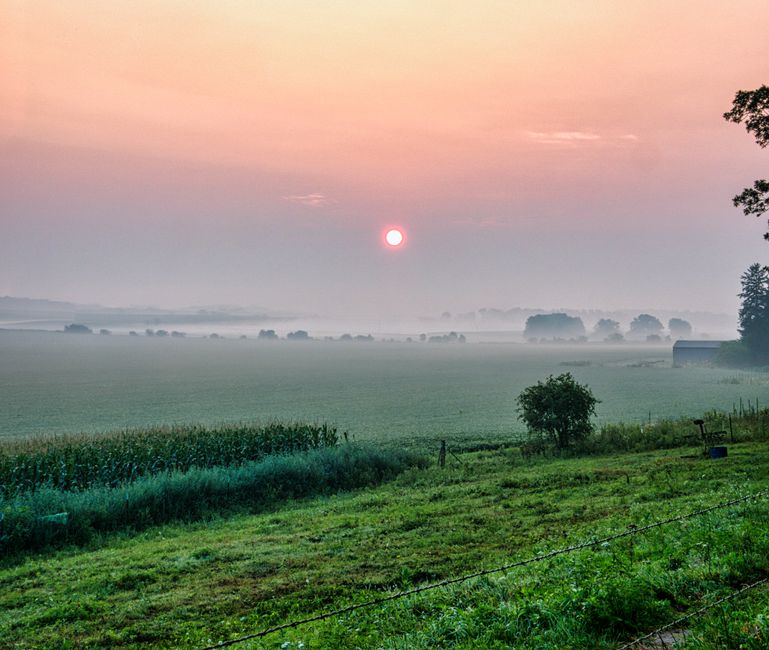
Final Thoughts: Be Part of the Land Legacy
America’s farmland and raw land boom is not simply a financial phenomenon—it’s a chance to shape landscapes, serve diverse communities, and control a tangible asset with lasting intrinsic value. We invite you to join us in exploring, acquiring, and transforming land throughout the United States. Every parcel tells a story; let’s write the next chapter together.
For tailored advice or to view our current opportunities, visit us online and connect with our team. Here’s to sound investments and the enduring value of land.