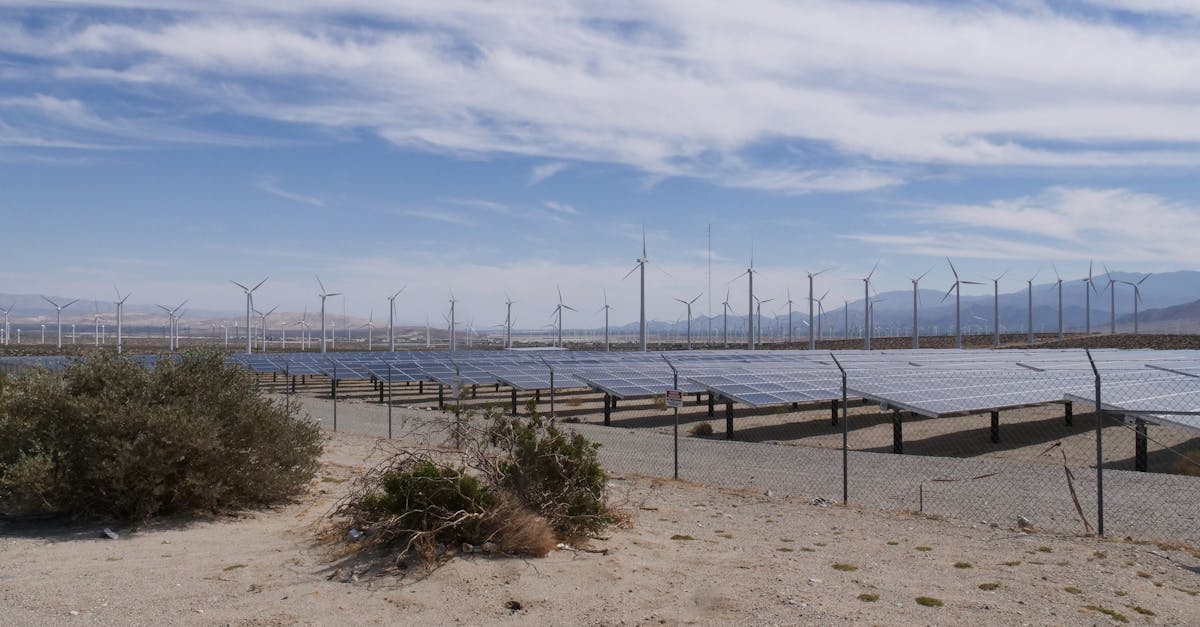
The rapid growth of renewable energy has opened up exciting new opportunities for landowners across the United States. Solar and wind energy projects are no longer limited to remote deserts or windswept plains — developers are now looking at a wide range of properties for their next big build. If you own raw or vacant land, you might be sitting on an untapped income stream. At USA Land Group, we’ve spent years helping people recognize the full value of their land, so let’s dig into what it means to lease land for solar and wind projects — and how you can make informed, profitable decisions.

What Makes Land Attractive for Solar and Wind Leasing?
Not every property is the perfect fit for renewable energy. Developers follow strict criteria when searching for land. Here’s what usually grabs their attention:
- Size and Scale: Large, contiguous parcels are preferred, but small parcels can be suitable for certain community or distributed projects.
- Sun and Wind Resource: Solar projects need lots of consistent sunlight; wind projects require a regular, measurable wind flow. State and federal databases provide resource maps, but on-the-ground data is essential.
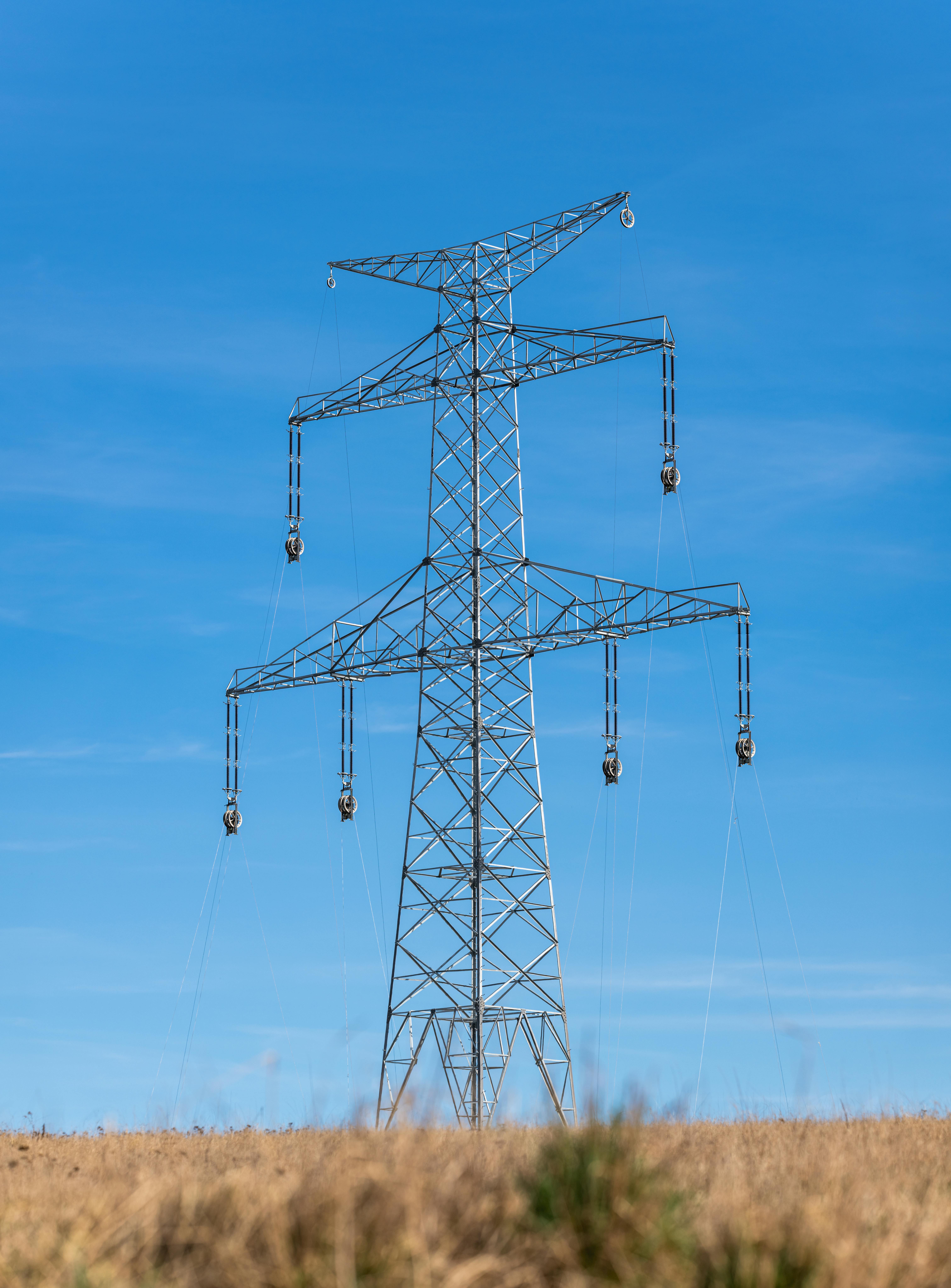
- Proximity to Infrastructure: For power generated on your land to be sold, it has to reach the grid. Properties near substations and transmission lines have an edge.
- Accessibility & Topography: Flat, open, and easily accessible land is a plus — it’s easier and cheaper to build on.
- Minimal Environmental and Regulatory Red Flags: Wetlands, protected habitats, or historical sites can pose challenges.
How Do Leasing Agreements for Renewables Work?
Leasing land for solar or wind involves a multi-phase process. Here’s how it typically unfolds:
1. The Option Agreement
Initially, a developer might propose an option agreement. This gives them the exclusive right to lease your land if their feasibility studies and permitting go well. Expect this stage to last one to five years, with annual option payments — these tend to be modest but are usually non-refundable if the project doesn’t proceed.
- You retain full land ownership and can often continue with existing uses (unless blocked by the agreement) until construction begins.
2. The Lease
If the project moves forward, the company will execute a long-term lease, often 20–40 years.
- Payments: Lease payments are typically annual and can be structured as fixed amounts, per-acre, or a percentage of project revenue.
- Escalators: Payments may increase over time based on a fixed percentage or inflation index.
- Land Use: Once construction starts, land access will be partially or completely restricted for other uses depending on the project’s needs.
- Decommissioning: Responsible developers include terms requiring the project to be removed and the land restored at the end of the lease.

The Potential Upside: Why Lease Land for Renewables?
Leasing land for renewables is about more than lease checks — it’s about maximizing otherwise unused (or underperforming) property. Here’s why many landowners find this path attractive:
- Stable, Long-Term Income: Lease payments provide predictable cash flow for decades.
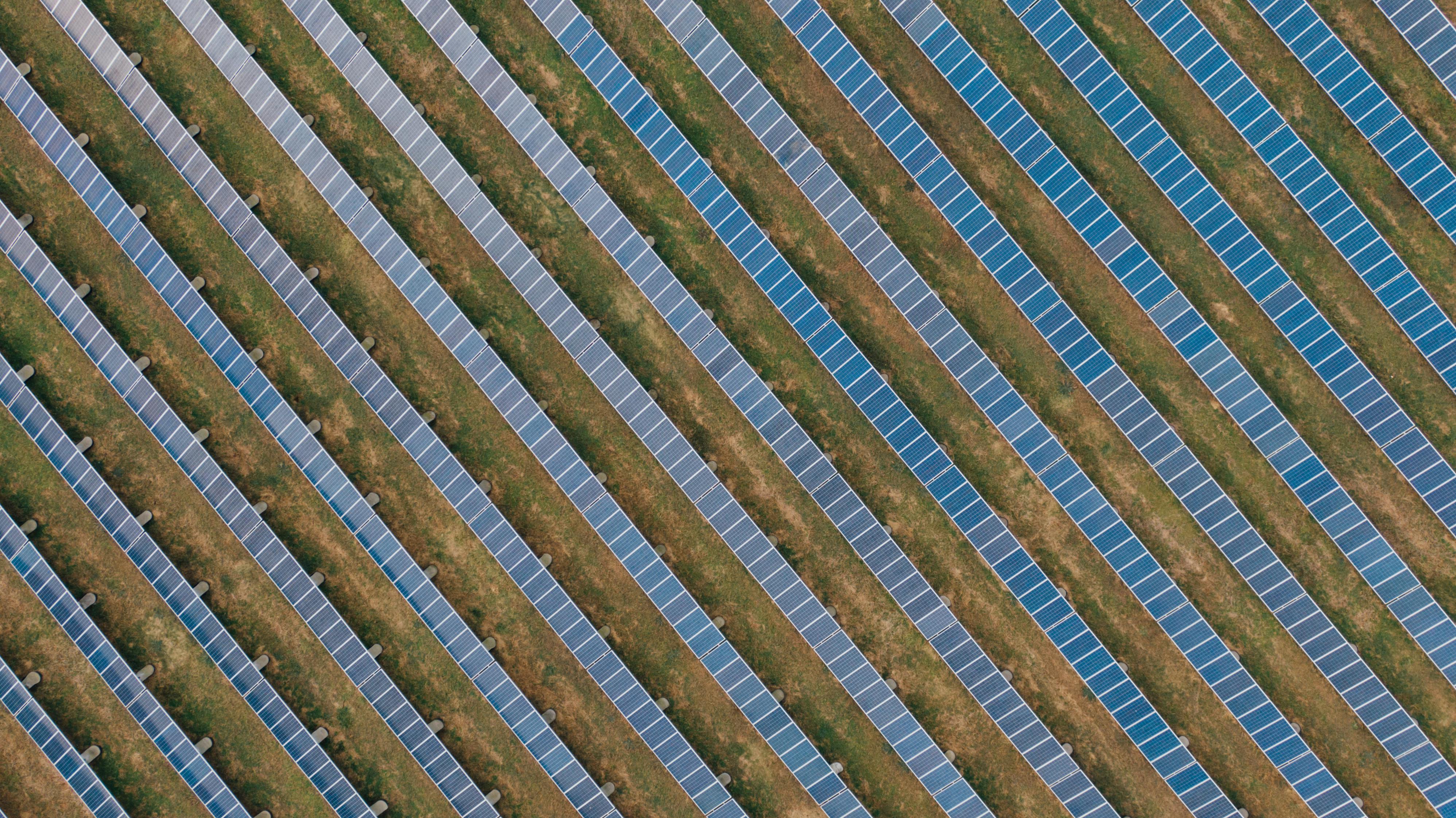
- Low Impact (in many cases): Solar and wind projects, especially solar, can coexist with some forms of grazing or pollinator habitats.
- Increase to Land Value: Having infrastructure and a long-term contract in place may boost the sale price if you decide to sell the land or assign the lease.
- Community & Environmental Benefits: You’re contributing directly to the energy transition and potentially creating local jobs.

The Potential Pitfalls: What Should You Watch Out For?
While the benefits are enticing, there are risks and tradeoffs. We encourage landowners to be vigilant about the following:
- Loss of Future Land Use: Once a project is built, your ability to use the land for other purposes could be restricted for decades.
- Complicated Contracts: Renewable leases are not typical farm leases — they’re lengthy legal documents describing power purchase rights, decommissioning, liability, insurance, and more. Legal review is a must.
- Tax Implications: Lease payments are usually taxable income. A tax advisor who understands energy deals can help you plan.
- Change in Property Value or Tax Assessment: Improvements may raise property taxes, but this varies by jurisdiction. It’s important to clarify who’s responsible for any increases.
- Decommissioning Obligations: Don’t assume the project will be removed at no cost or that land restoration will be thorough. The lease should require a financial bond or escrow for restoration.
What Does the Typical Timeline Look Like?
The full journey from initial outreach to operating wind farm or solar array can take years. Here’s a general sense of the process:
- Initial Outreach and Evaluation (1–6 months): Discussion with a developer, data gathering, site visits.
- Option Period (1–5 years): Developer studies permitting, interconnection, and resource questions.
- Lease Execution & Construction (1–2 years): After permits, development and build-out begin.
- Operations (20–40 years): The project is completed, and lease payments continue for decades.
- Decommissioning and Restoration (1 year+): At the end of lease, equipment is removed and the site is (ideally) restored.

Key Steps If You’re Considering a Lease
If you’re approached by a developer or considering proactively marketing your land, here’s how to set yourself up for success:
- Know Your Land: Review your deed, boundaries, and mineral rights. Understand current zoning and restrictions.
- Get an Expert Legal Review: Hire a lawyer experienced with energy leases. Do not sign anything until you fully understand the terms and their obligations.
- Consider Long-Term Impacts: Think carefully about legacy, heirs, tax implications, and land use for the next generation.
- Negotiate for Best Terms: Payments, escalation clauses, land restoration, and liability protection are all negotiable. Don’t settle for the first offer — some developers expect a counter-offer.
- Gather Market Intel: As land buyers and experts, we know what competitive lease rates look like in many regions. Checking with specialists like us at USA Land Group can help clarify your negotiating position.
- Keep Records: Document every agreement, payment, and conversation in writing.
FAQ: Your Biggest Questions Answered
- Can I sell or mortgage my land during a lease? Usually, yes — but the lease will remain binding for any new owner, and some lenders may have specific requirements.
- What happens if the developer abandons the project? Well-drafted contracts require the developer to restore the land. Financial assurances (such as a bond) are essential.
- Will I lose my agricultural exemptions? Possibly. Some states allow partial exemptions if you graze livestock around panels or wind turbines, but this is highly local. Check with your tax office.
- How much can I earn? Lease rates vary widely by region, project size, and resource quality. Without speculating on specific numbers, know that well-positioned land can produce reliable, above-market rents for the life of the project. We’re happy to help you benchmark fair value for your parcel.
A Unique Perspective: Our Experience as Land Specialists
At USA Land Group, we’ve watched raw and vacant land transformed overnight from overlooked acres to assets fueling something much bigger. Linking landowners with developers not only drives strong returns — it creates new opportunities for families and local communities. We understand the risks, and we know how daunting these contracts can seem. Because we only focus on land (not corporate mega-facilities), our interests align with yours: maximizing land value while protecting your legacy.

Final Thoughts: Building a Brighter, More Lucrative Future
Leasing land for solar and wind energy isn’t simply about chasing the next trend — it’s about seeing the highest and best use in your property. With the right guidance and a clear-eyed look at your options, you can unlock steady income and help build a cleaner, more resilient energy grid for all. Every parcel has potential if the fit is right.
If you want an honest, experienced second opinion on the renewable potential (and value) of your vacant land, or if you need help navigating lease negotiations, reach out to us at USA Land Group. We’re obsessed with land — and with helping landowners make the most of what’s theirs.